
"How Screen Time During Pregnancy Affects Sleep"
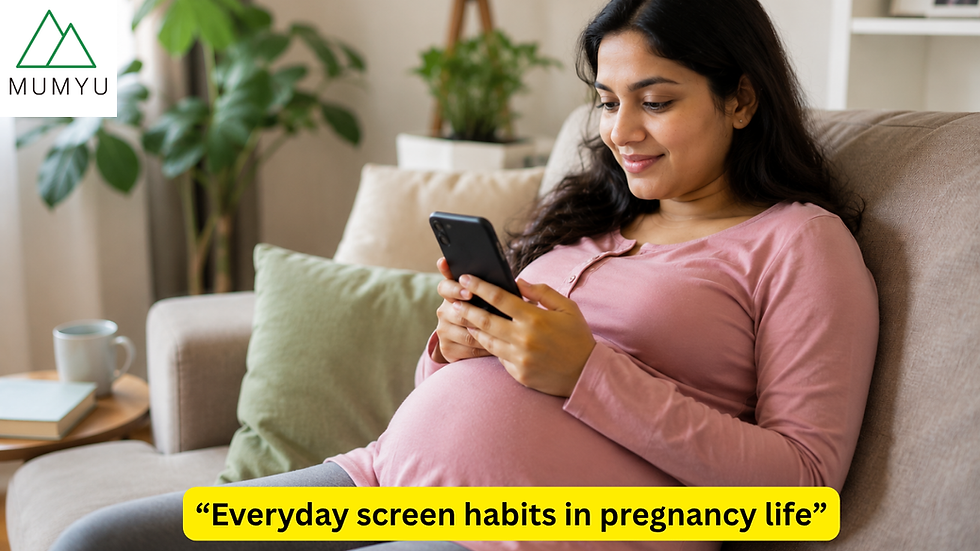
Late night scrolling has quietly become a common bedtime habit, even during pregnancy. What feels like a simple way to relax can often make it harder for the body to rest. Many expecting mothers struggle with sleep, usually blaming physical discomfort or hormonal changes. However, screen time is an equally important factor that often goes unnoticed. Its impact is subtle, but over time, it can significantly affect sleep quality.
Why Sleep Matters During Pregnancy
Sleep is essential for both maternal wellbeing and the baby’s development. During pregnancy, the body is constantly adjusting, making rest a critical part of daily health. Poor sleep can lead to fatigue, mood changes, and increased stress levels. When this continues over time, it can affect emotional balance and overall comfort, making daily routines feel more exhausting than they should.
Understanding Screen Time
Screen time includes the use of mobile phones, tablets, laptops, and television. For many women, these devices become part of their nighttime routine, whether for entertainment, information, or simply passing time. While this habit may seem harmless, it can interfere with the body’s natural ability to prepare for sleep.
How Screen Time Disrupts Sleep
Blue Light Exposure
Digital screens emit blue light, which reduces the production of melatonin. This hormone plays a key role in signaling the body to sleep. When its levels are affected, falling asleep becomes more difficult and sleep quality may decline.
Mental Stimulation
Engaging with content keeps the mind active. Instead of slowing down, the brain remains alert, delaying the natural transition into rest.
Emotional Impact
The type of content consumed also matters. Social media, news, or overwhelming information can trigger restlessness or anxiety, making it harder to relax at night.
Irregular Sleep Patterns
Screen use often extends bedtime without notice. Over time, this can disrupt the body’s internal rhythm and create inconsistent sleep patterns.
Why This Matters More During Pregnancy
Pregnancy already brings changes that affect sleep, including hormonal shifts and physical discomfort. When screen time is added, it creates an additional layer of disruption. This can influence energy levels, emotional stability, and overall wellbeing. Even small disturbances can feel more intense during this phase, which is why mindful habits become important.
Signs That Screen Time Is Affecting Sleep
Some signs are easy to notice, such as difficulty falling asleep, frequent waking during the night, or feeling tired even after rest. Others may include restlessness at bedtime or a sense of mental over activity when trying to sleep.
Simple Ways to Improve Sleep
Create Healthier Habits
Reducing screen use before bedtime allows the body to naturally prepare for rest. Keeping devices aside and giving the mind time to unwind can make a noticeable difference.
Choose Calming Alternatives
Replacing screen time with quiet activities such as reading, gentle stretching, or listening to calm music can support relaxation.
Build a Consistent Routine
A regular sleep schedule and a calm environment with soft lighting help signal the body that it is time to rest.
Today, there is a growing awareness around creating supportive routines during pregnancy. For instance, Mumyu focuses on comfortable clothing that supports daily ease, while Mumyutools is designed to guide expecting mothers through everyday habits, from eating patterns to sleep routines. These approaches reflect a broader understanding that small, mindful changes can have a meaningful impact.
Conclusion
Screen time may seem like a minor part of the day, but its influence on sleep during pregnancy is significant. The good part is that improving sleep does not require drastic changes. Simple, mindful adjustments in daily habits can create a more restful and balanced experience. Better sleep during pregnancy often begins with small choices that support both the body and the mind.


Comments