
"Womb Senses: Baby’s First Smell, Sound & Touch"
Pregnancy is more than a physical change it is the beginning of a deep and quiet connection between you and your baby. Long before birth, your baby is already sensing and responding to the world around them. Inside the womb, they can feel movement, hear sounds, and experience the flavors of the food you eat.
These early sensory experiences gently shape your baby’s brain, emotions, and even future likes and dislikes. Understanding this can help you create a calm and nurturing space for your growing baby.

How Your Baby’s Senses Develop
Your baby’s senses develop step by step during pregnancy. Touch is the first sense to form, followed by hearing. Taste and smell come later, but they still play an important role. Although your baby cannot smell air, they experience flavors through the amniotic fluid.
By the second trimester, your baby begins reacting to sounds and movements. Your voice, daily routine, and even your emotional state slowly become familiar signals. These early experiences help your baby feel safe and connected, even before birth.
Smell & Taste: Sharing Your Food Experience
Everything you eat during pregnancy becomes part of your baby’s sensory world. Flavors from your meals pass into the amniotic fluid, allowing your baby to experience different tastes.
If your diet includes a variety of foods such as fruits, vegetables, and lightly spiced dishes—your baby is exposed to those flavors too. This early exposure can influence your child’s food preferences later in life. Babies who experience different tastes in the womb are often more open to trying new foods as they grow.
In a simple way, your baby is already sharing your meals and forming early taste memories.
Sound: The Comfort of Your Voice
By the middle of pregnancy, your baby begins to hear sounds. The most familiar sound is your heartbeat, followed closely by your voice. Over time, your baby starts recognizing your tone and rhythm.
Talking, singing, or reading softly can create a comforting environment. Calm music can also help maintain a peaceful atmosphere. On the other hand, loud or sudden noises may cause your baby to move more.
Your voice becomes a source of comfort that your baby will recognize even after birth.
Touch: A Gentle Way to Connect
Touch is the earliest sense your baby develops, and it continues to strengthen throughout pregnancy. Your baby can feel movement, shifts in position, and gentle pressure.
When you place your hand on your belly or softly rub it, your baby may respond with small movements or kicks. These simple interactions help build a strong emotional bond.
Touch becomes your baby’s first experience of comfort and reassurance.
Your Emotions Also Reach Your Baby
Your emotional well-being is just as important as physical care. When you feel calm and relaxed, your body creates a peaceful environment for your baby. Stress or anxiety can affect this balance.
Simple habits like resting, staying positive, and taking time for yourself can make a meaningful difference. Caring for your emotions is another way of caring for your baby.
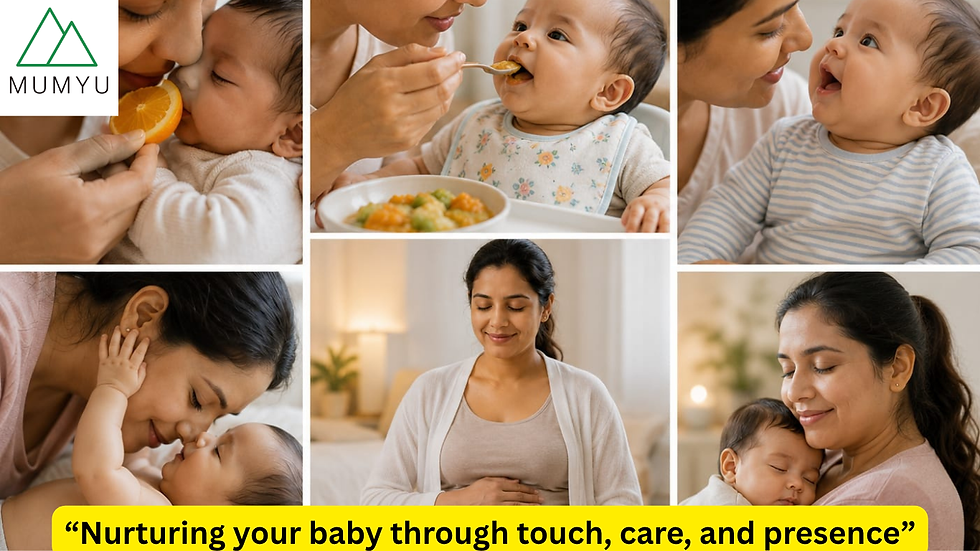
Simple Ways to Support Your Baby’s Senses
1) You don’t need complex routines. Small actions can support your baby’s development:
2) Talk or sing to your baby daily
3) Eat a balanced and varied diet
4) Listen to soft, calming music
5) Gently touch your belly
6) Create a peaceful environment
A Bond That Grows Every Day
Your baby’s journey of learning begins before birth. Through smell, sound, and touch, they are already forming connections and experiencing comfort. These early moments build the foundation of trust, love, and emotional security.
To support your pregnancy journey with gentle care and thoughtful solutions, explore Mumyutools. Visit our website to discover simple ways to nurture both you and your baby, every step of the way.


Comments